
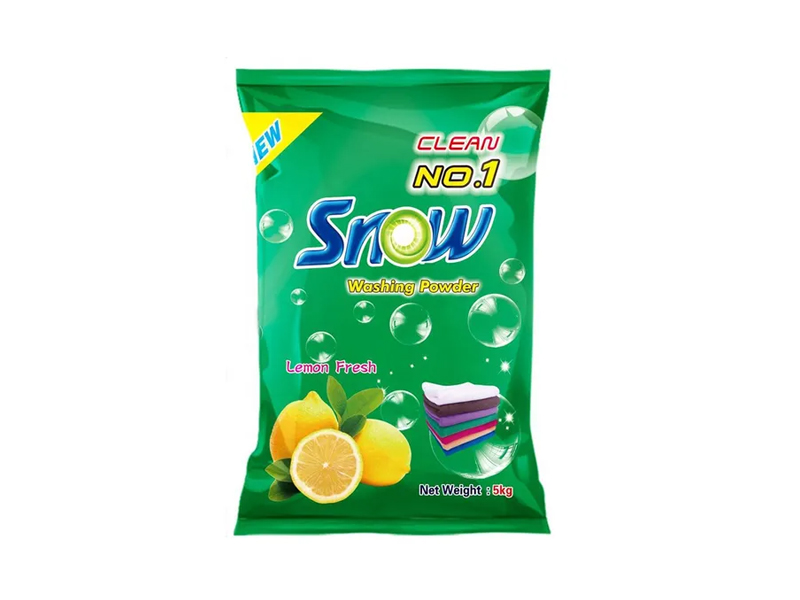
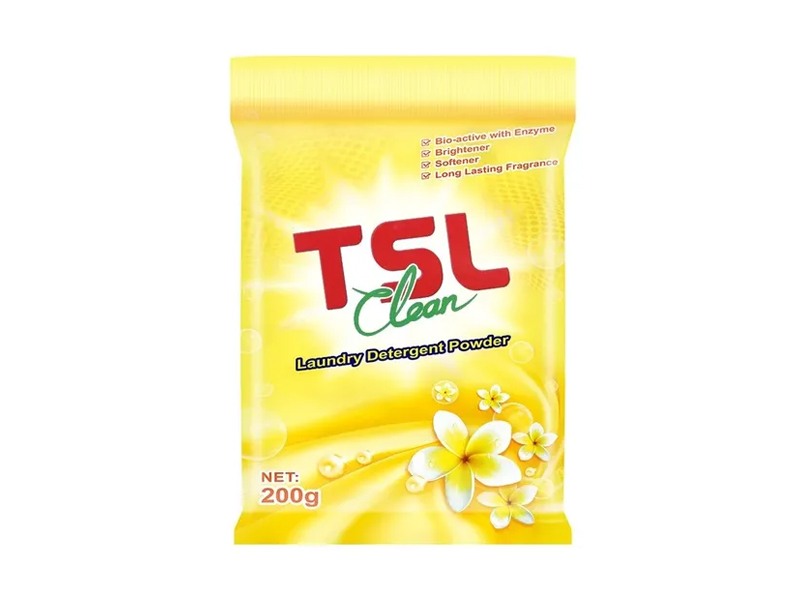
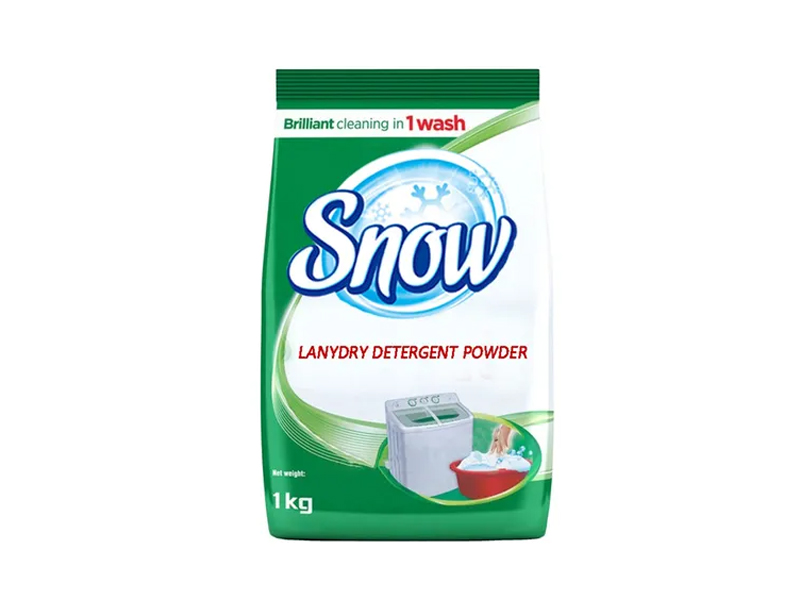
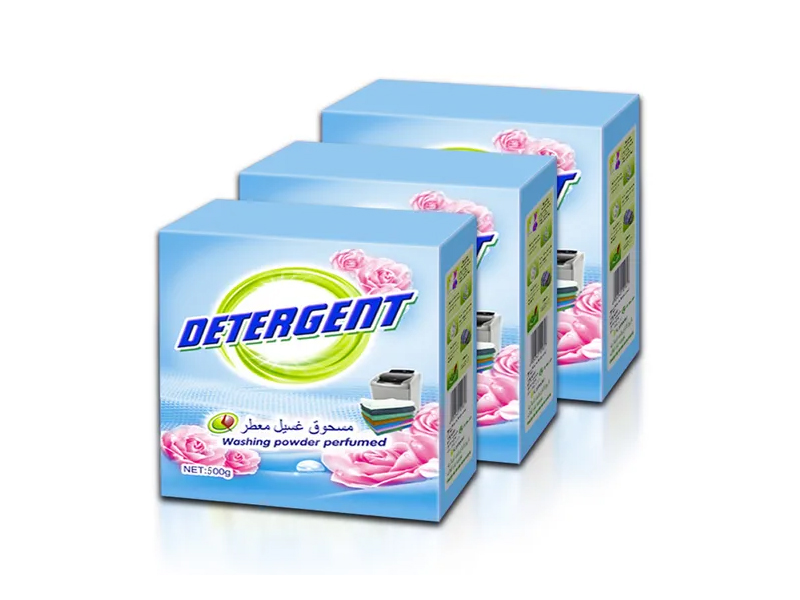

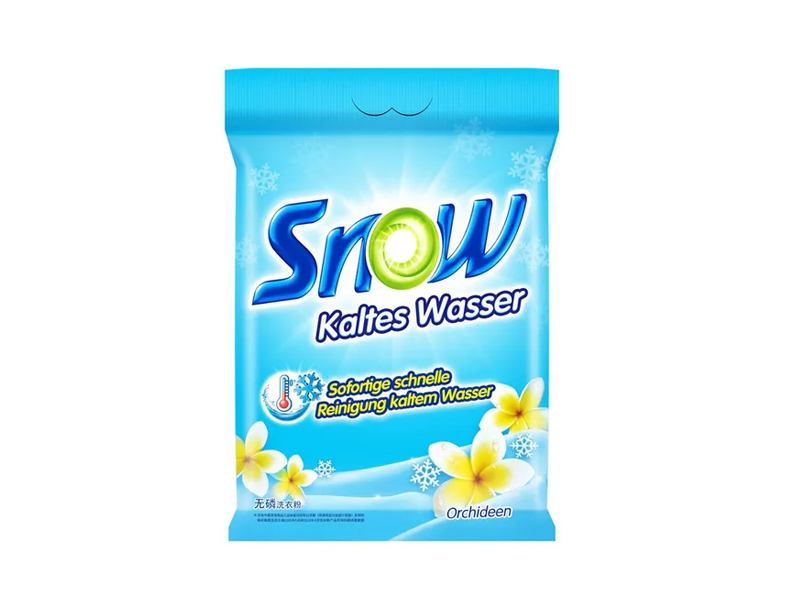
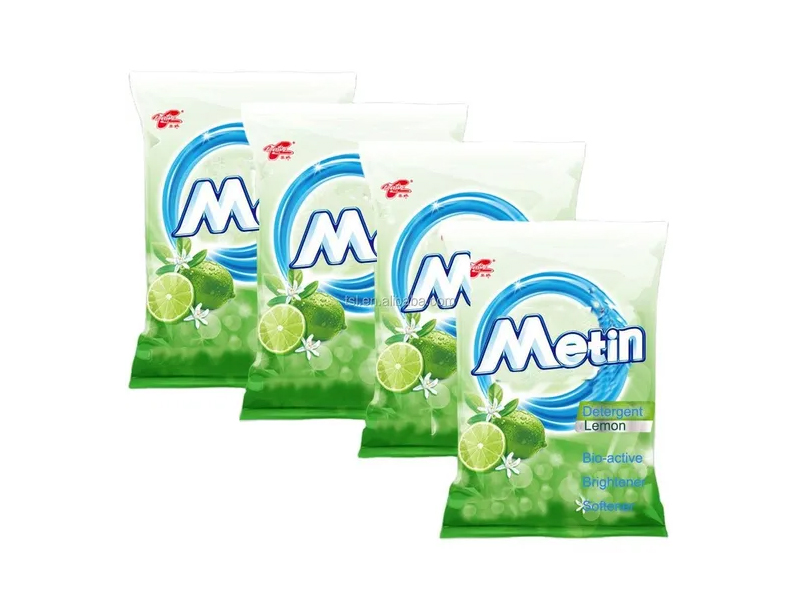
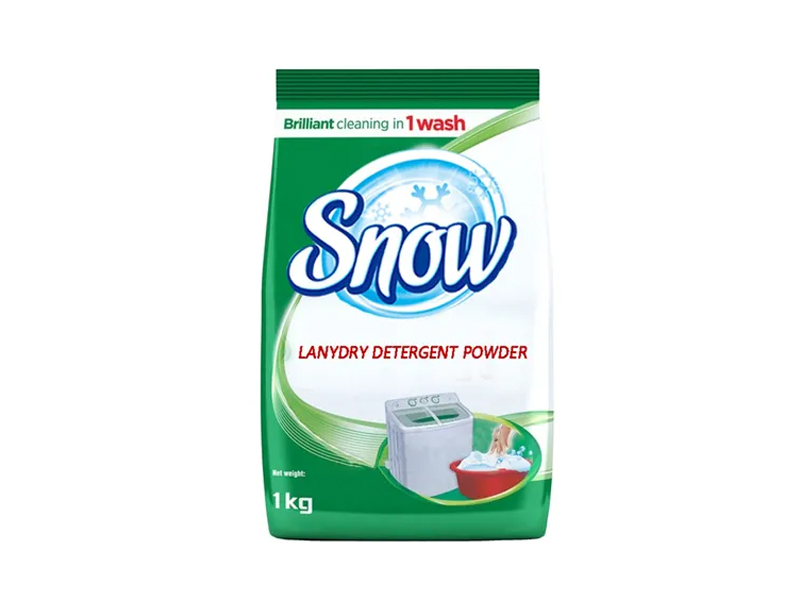
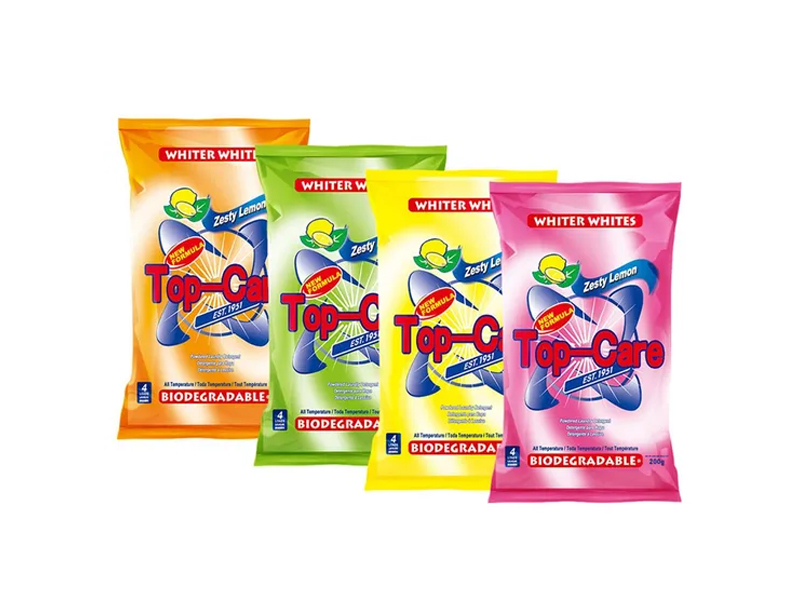
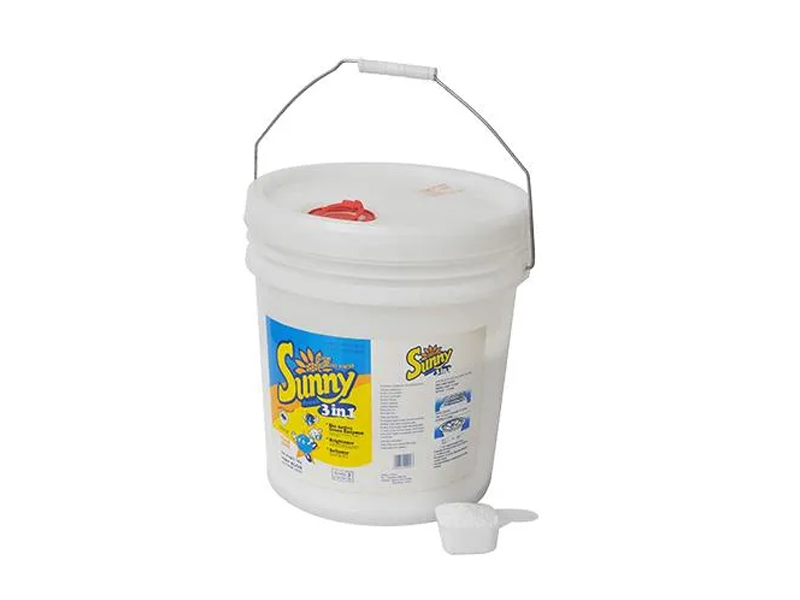
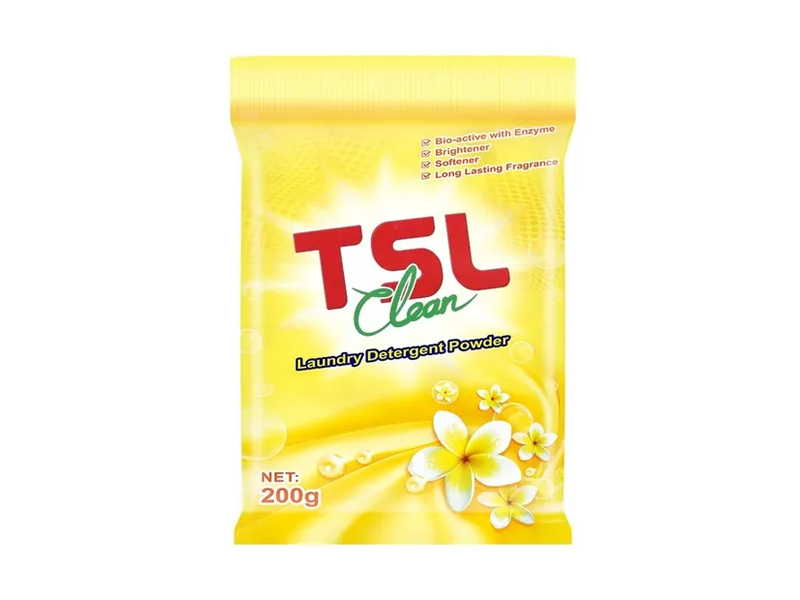
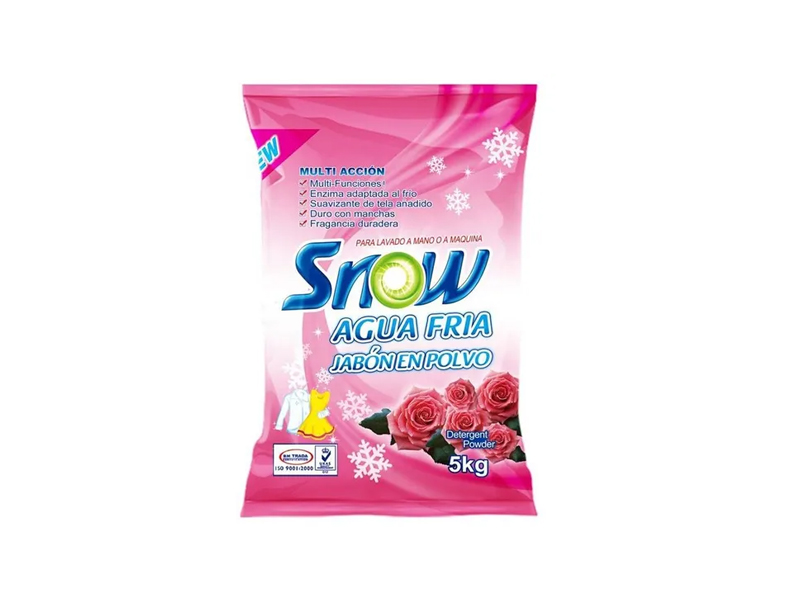
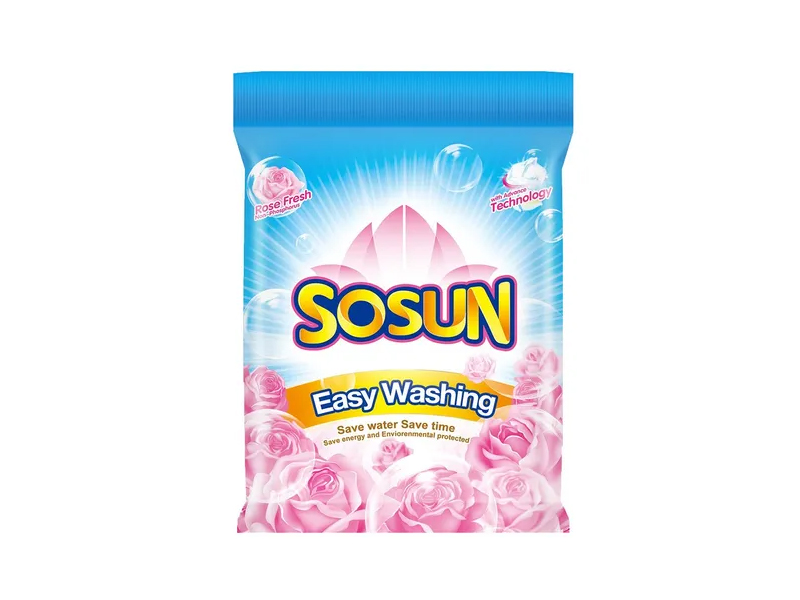
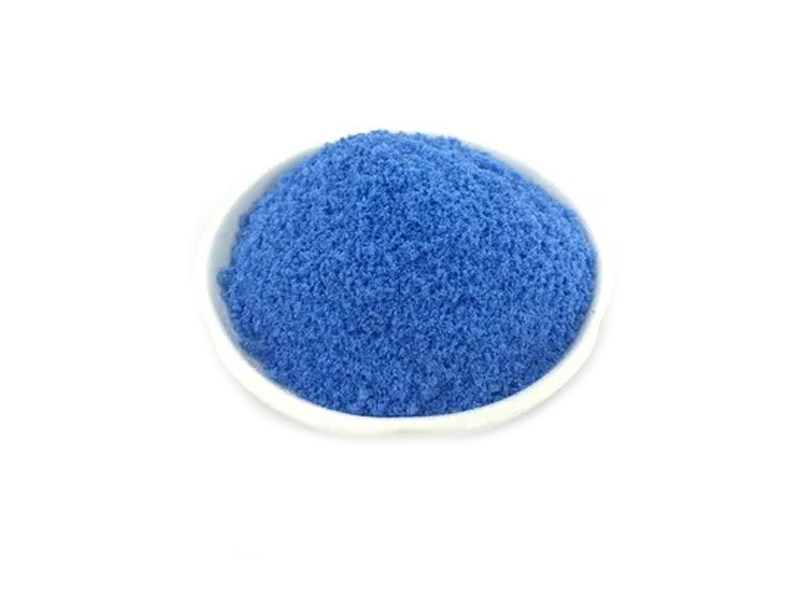
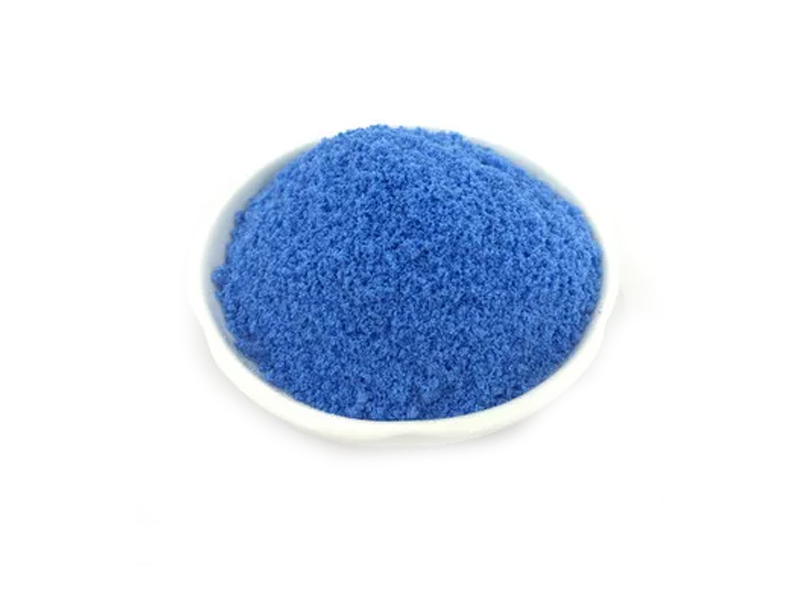
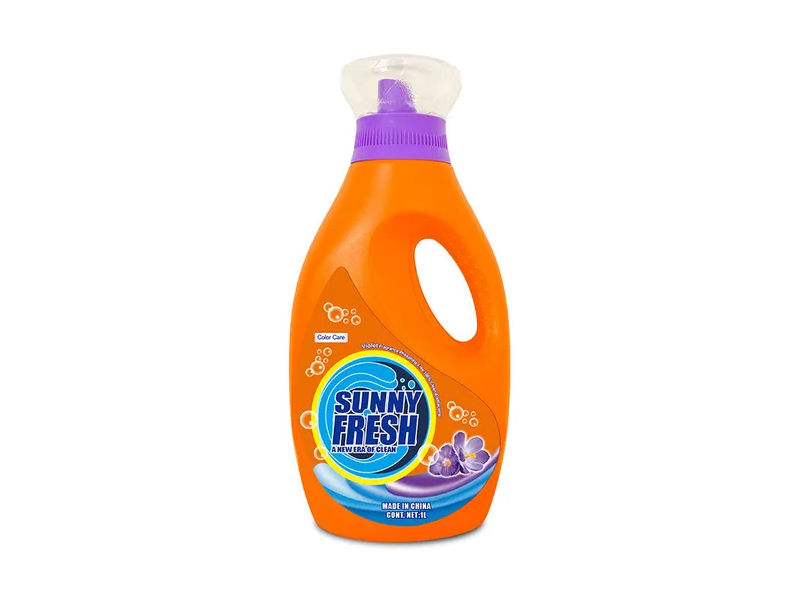
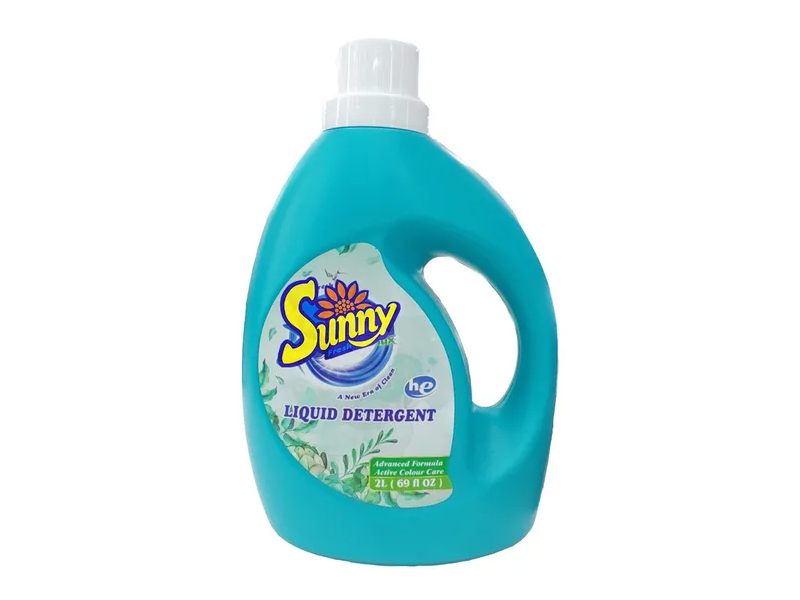
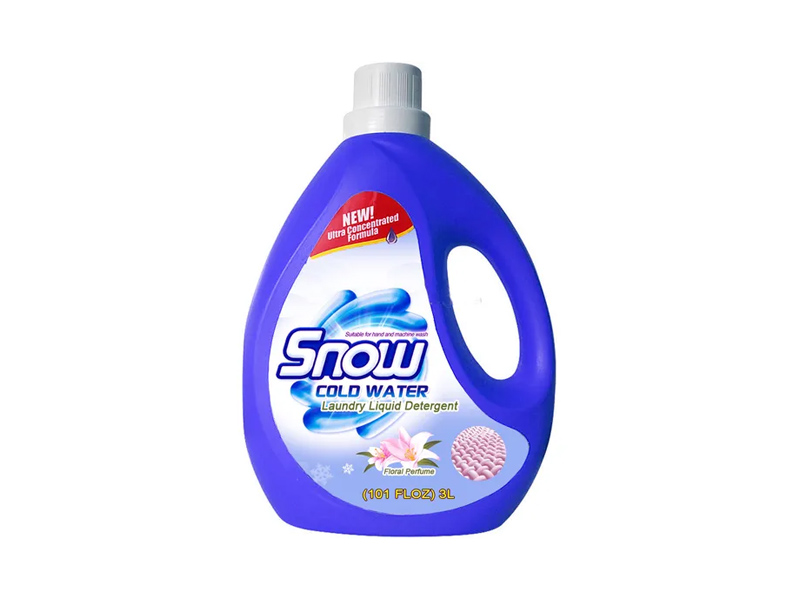
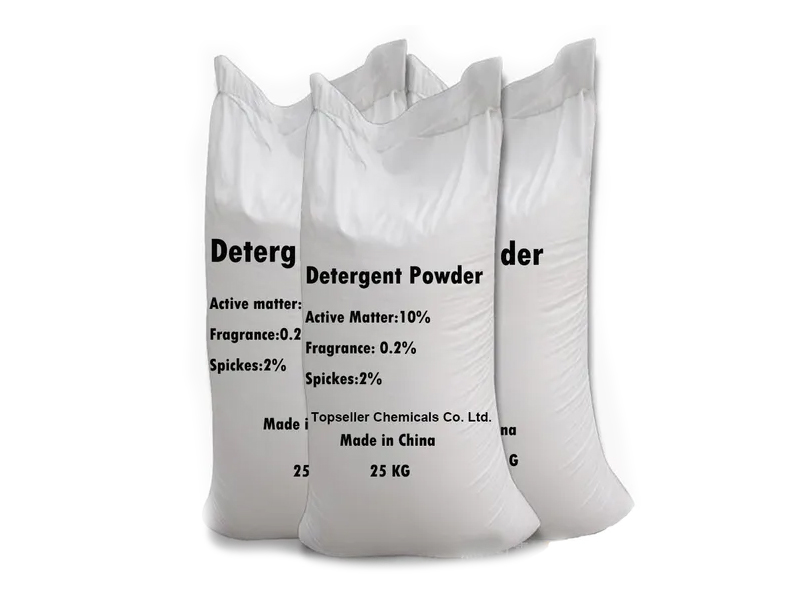
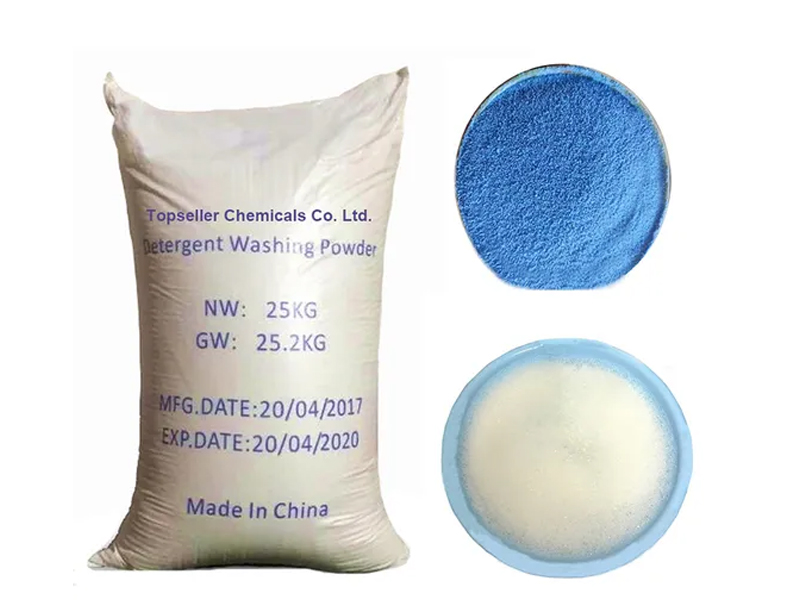
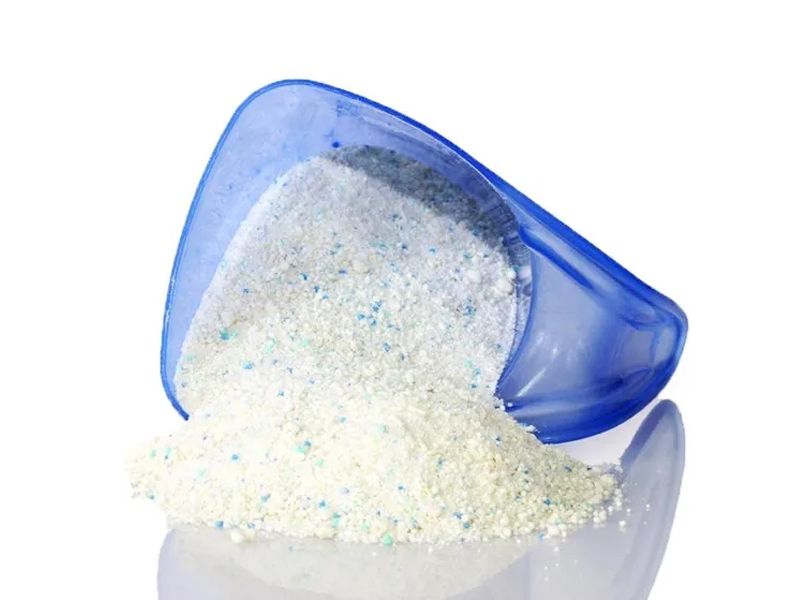
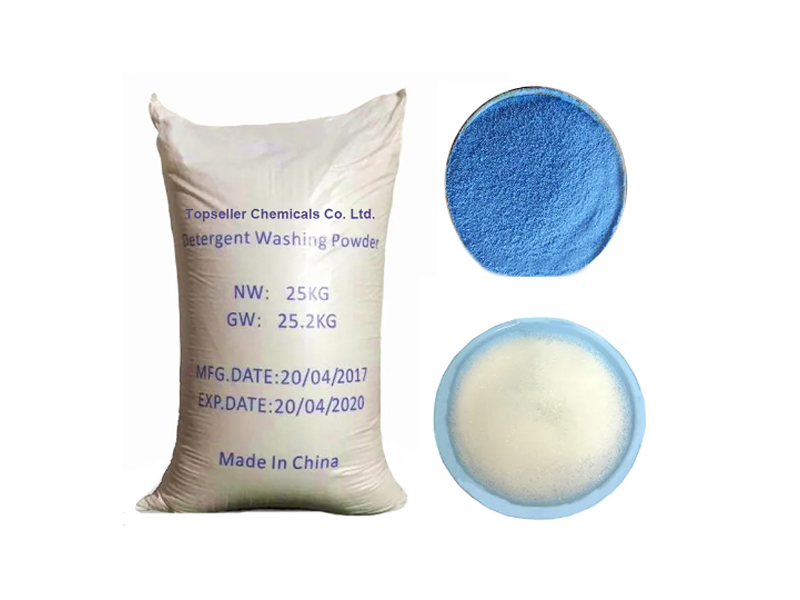
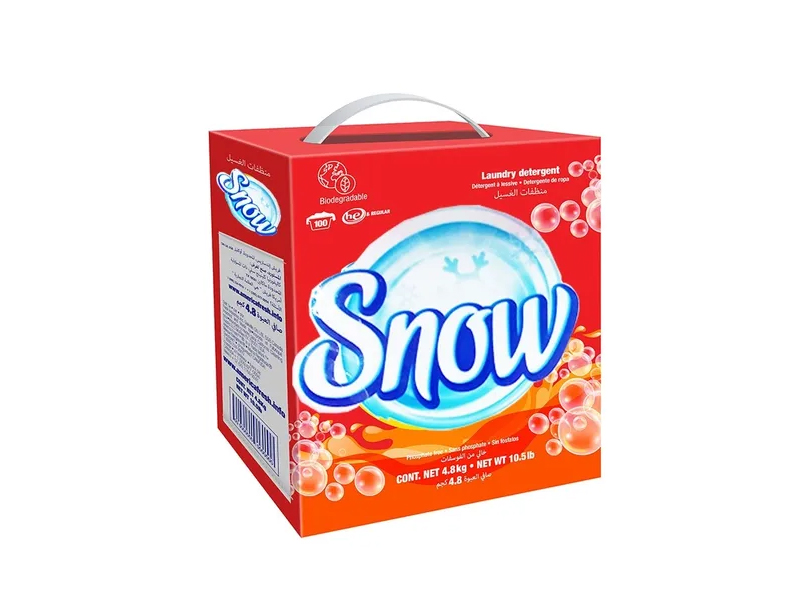
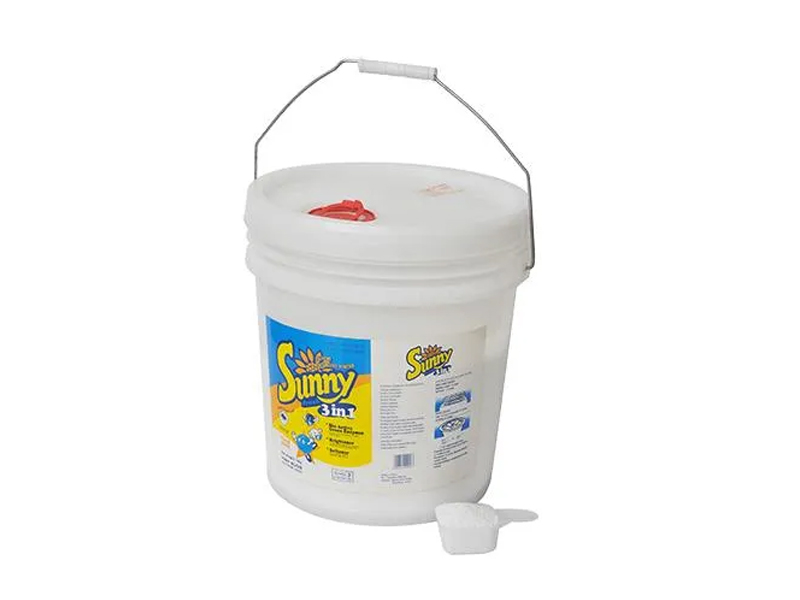
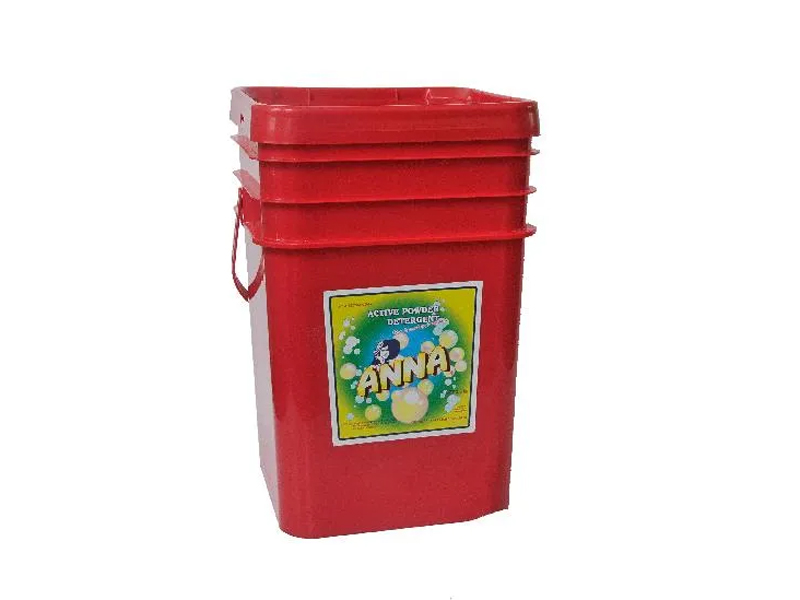
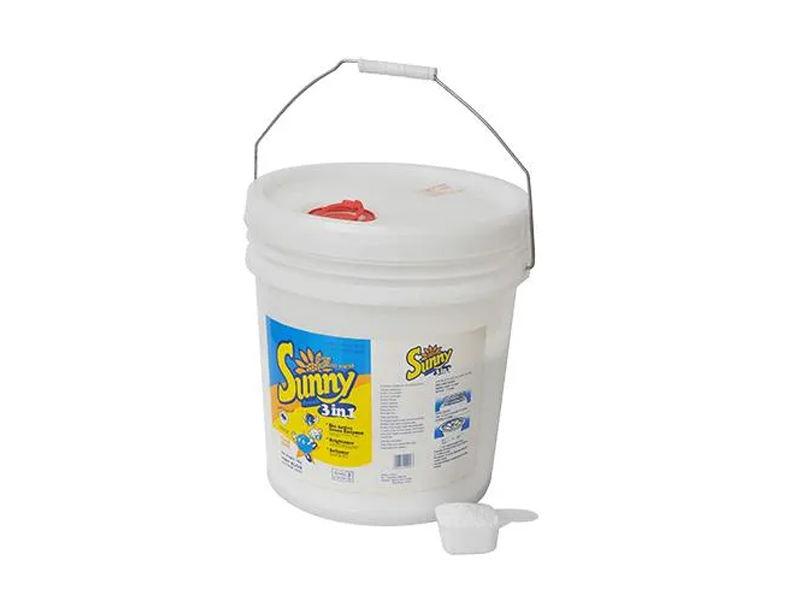
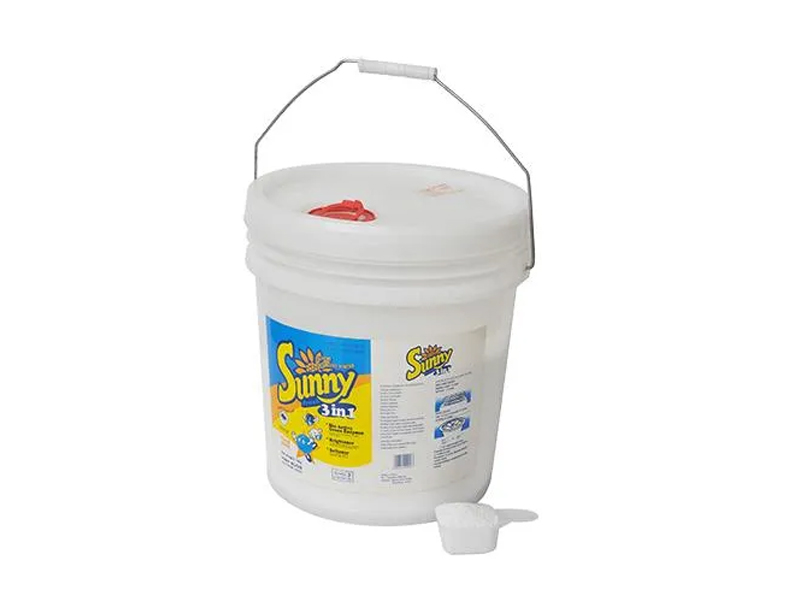
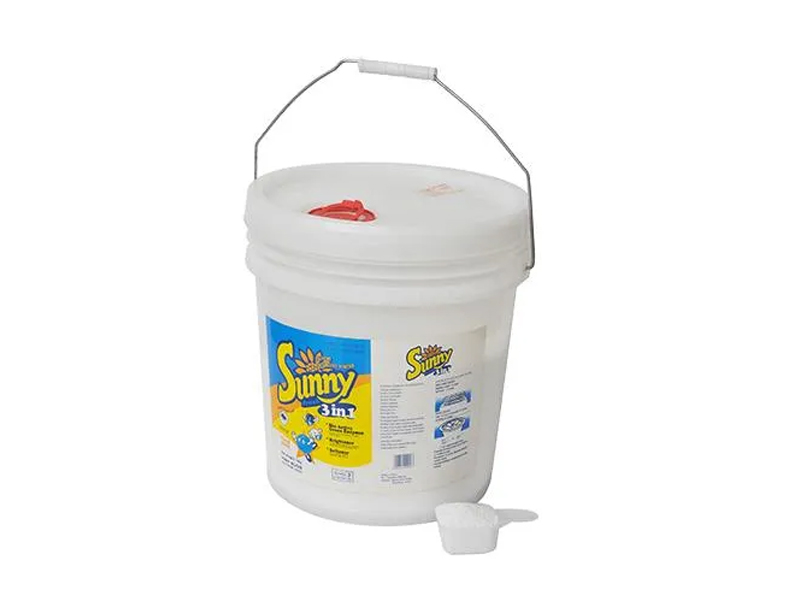
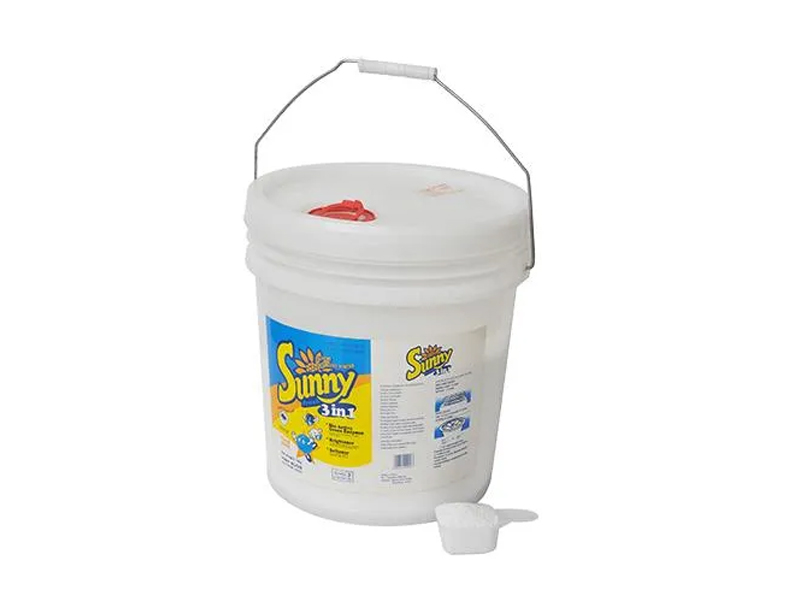
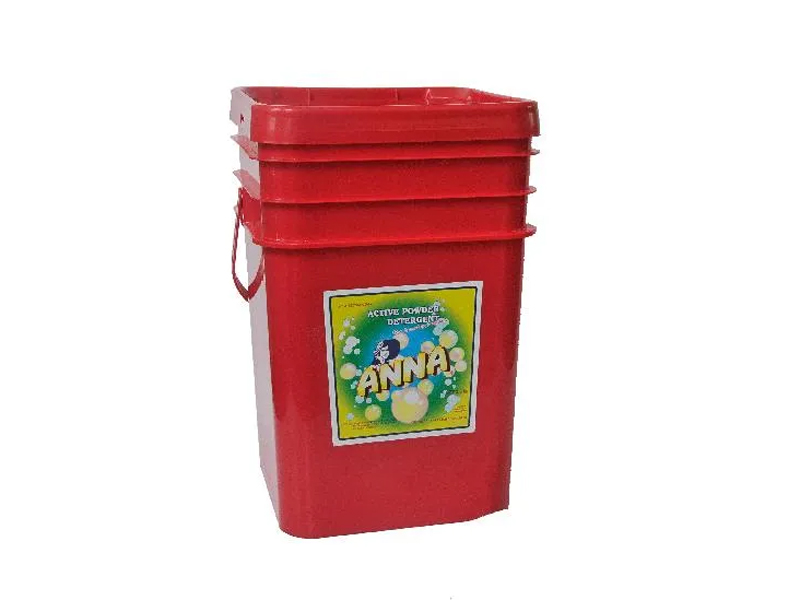
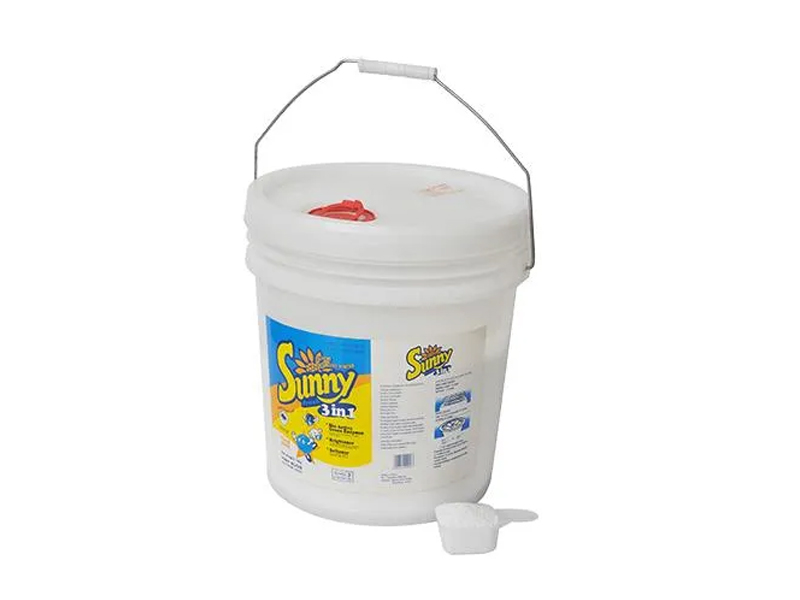
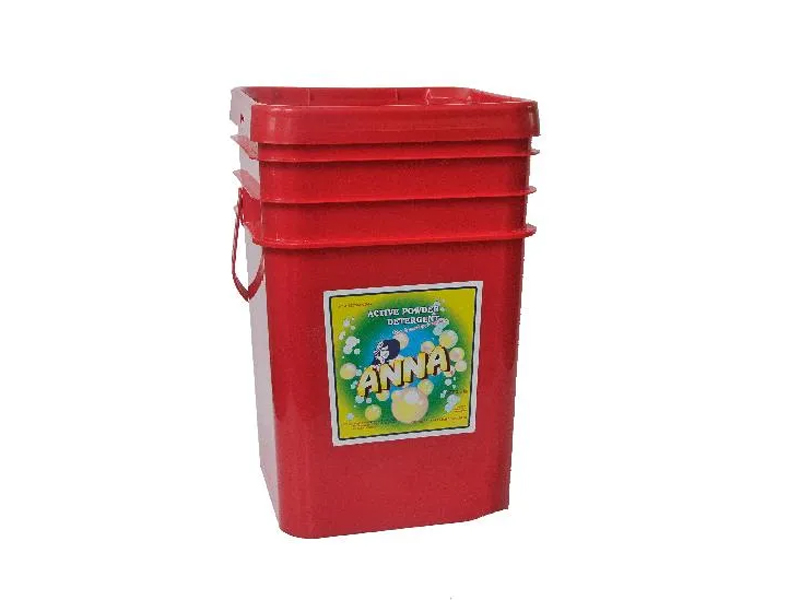
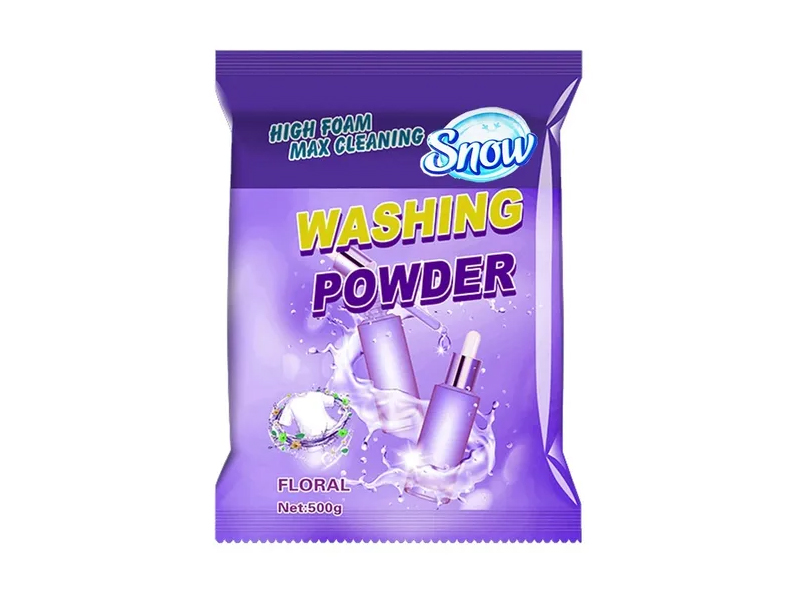
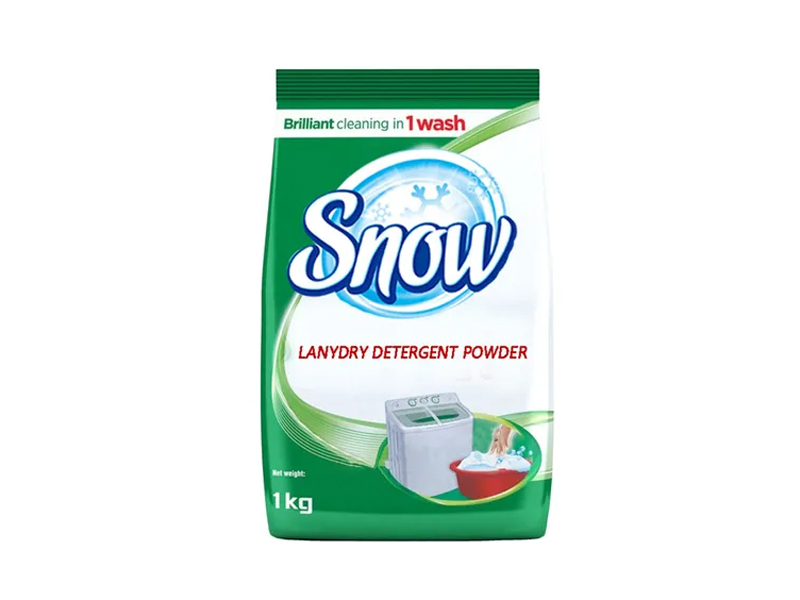
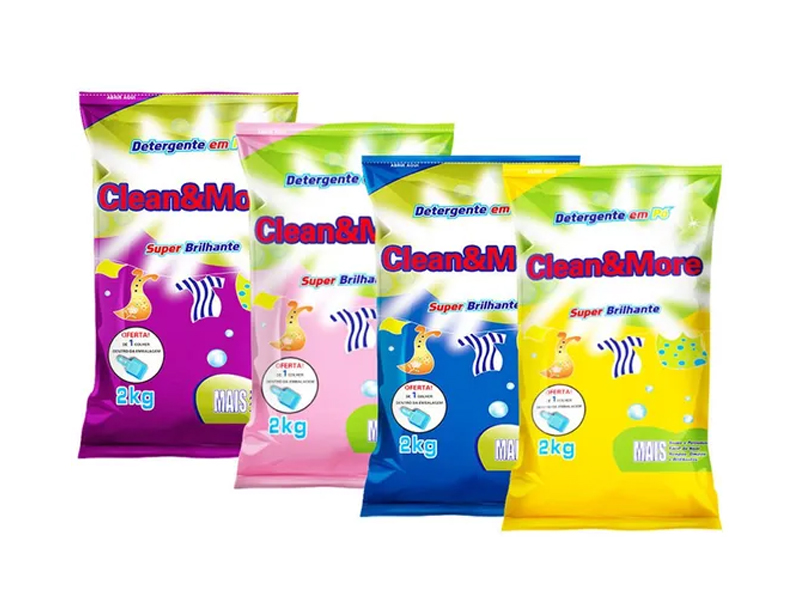
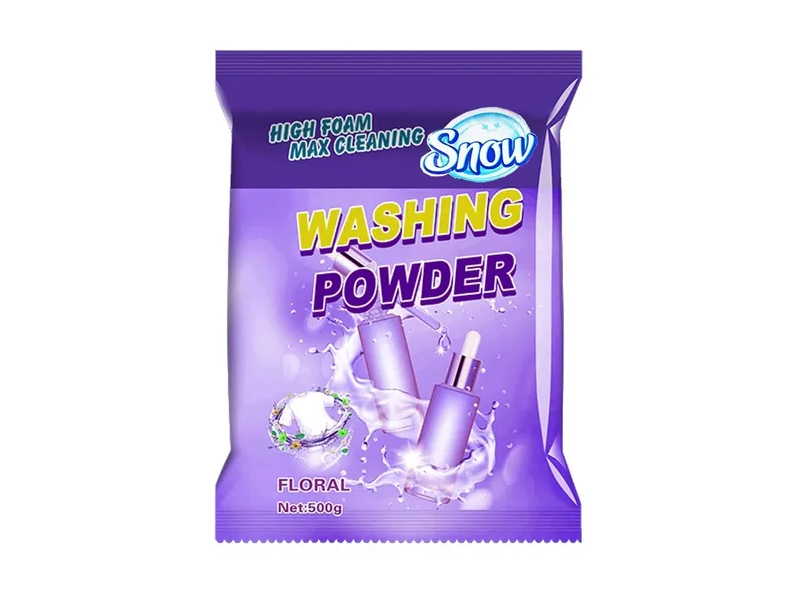
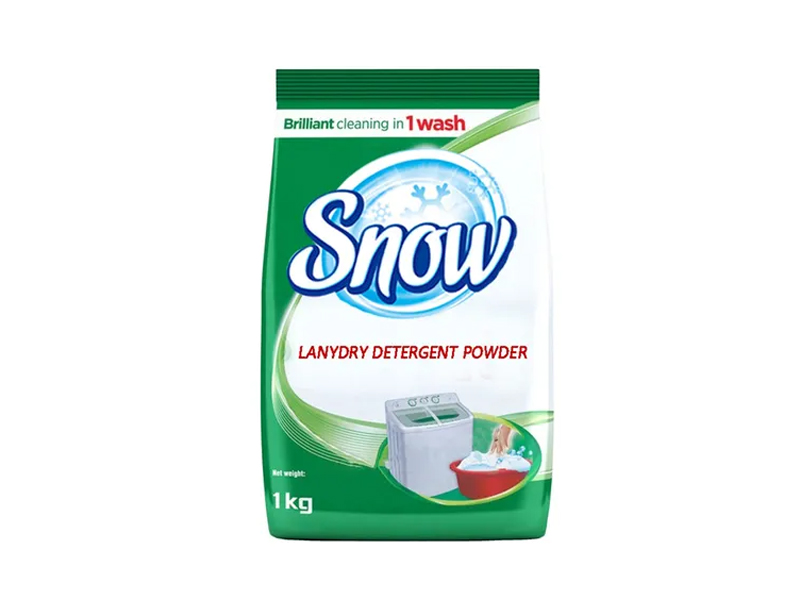
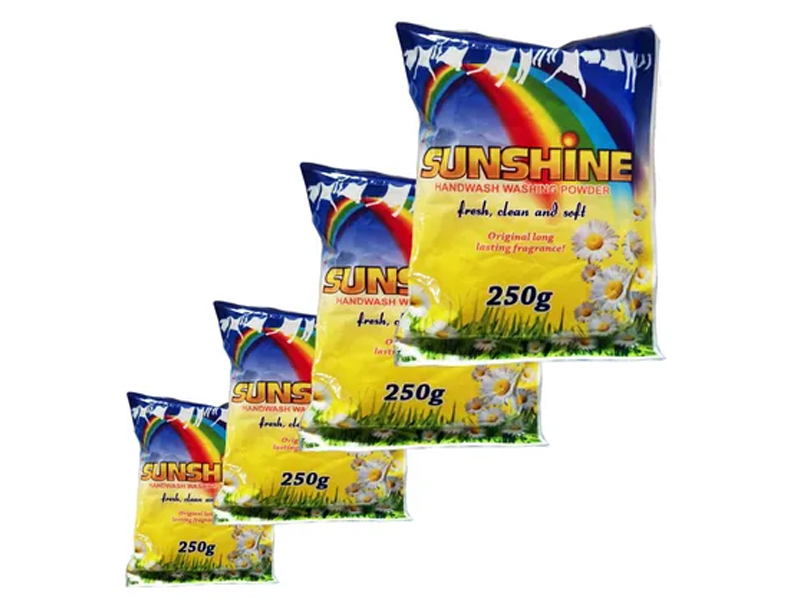
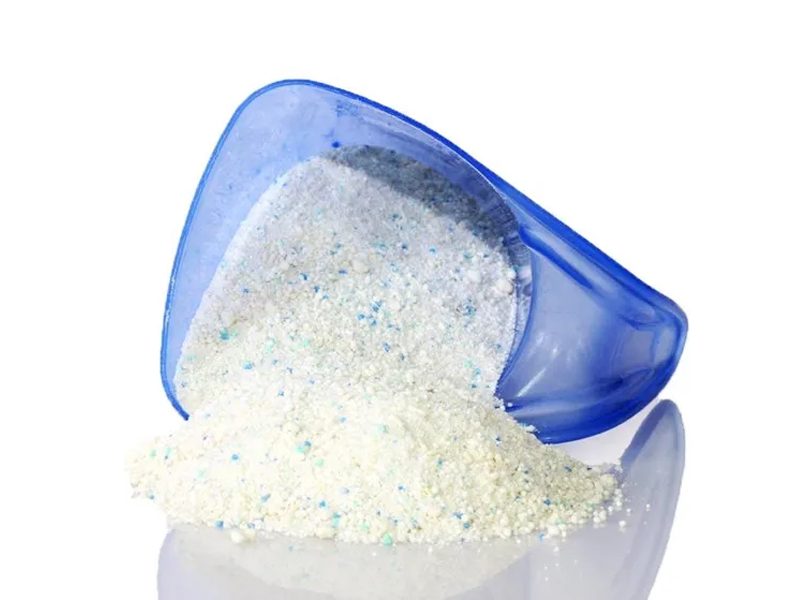
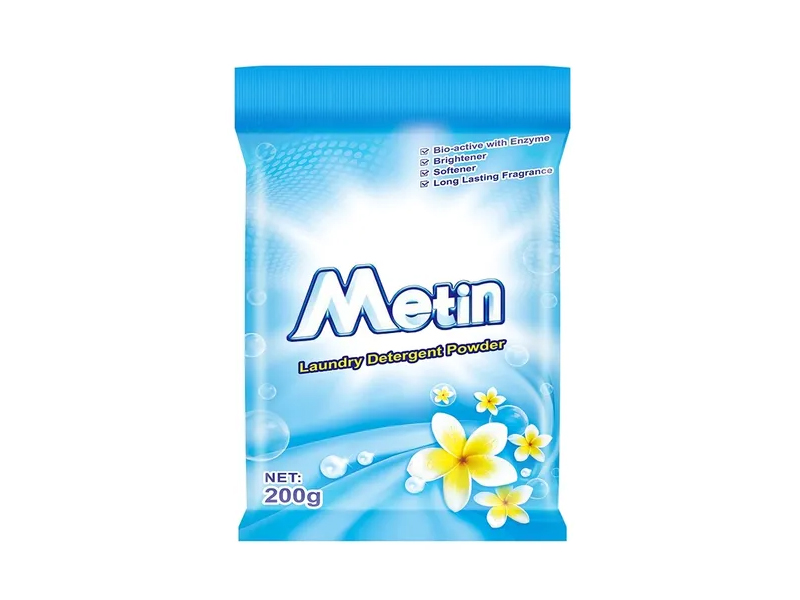
Washing powder is a daily necessity for cleaning clothes, and its ability to eliminate bacteria plays a key role in keeping fabrics hygienic. However, it is important to note that most regular washing powders are not designed as disinfectants, and their bactericidal effect mainly relies on the combined action of surfactants, enzymes, and washing conditions (such as water temperature and mechanical agitation).
1. Common Bacteria That Regular Washing Powder Can Inhibit or Eliminate
Regular washing powders work by breaking down the organic matter attached to bacteria and disrupting their cell membranes, thereby reducing bacterial populations on clothing. The bacteria they can effectively target include:
Escherichia coli (E. coli)
This is a common intestinal bacterium that can contaminate clothes through contact with hands, food residues, or sewage. The surfactants in washing powder can dissolve the lipid membrane of E. coli cells, causing the bacteria to lose their activity. When paired with a 30–40°C water temperature and proper scrubbing, the removal rate of E. coli can reach over 90%.
Staphylococcus aureus
A typical skin bacterium that may spread to clothes through sweat, dandruff, or direct contact. It is one of the main causes of skin itching or mild infections triggered by unclean clothes. Protease enzymes in washing powder can break down the protein components in Staphylococcus aureus cells, while surfactants further enhance the bactericidal effect.
Corynebacterium xerosis
This bacterium is closely related to body odor, as it decomposes sweat on clothes to produce unpleasant-smelling substances. Washing powder can not only wash away sweat residues but also inhibit the activity of Corynebacterium xerosis, effectively reducing the source of body odor on fabrics.
Pseudomonas aeruginosa
Although this bacterium has strong environmental adaptability, under the combined action of washing powder’s alkaline components and surfactants, its cell structure can be damaged—especially when the washing water temperature is increased to 50°C or above, the elimination effect becomes more significant.
2. Bacteria That Regular Washing Powder Struggles to Kill
It is crucial to recognize that regular washing powder cannot replace professional disinfectants. For the following bacteria, its inhibitory effect is very limited:
Spores-forming bacteria (e.g., Bacillus subtilis)
Bacterial spores have a tough protective shell that can resist the erosion of surfactants and enzymes in washing powder. Only high-temperature sterilization (such as boiling water or high-pressure steam) or specialized disinfectants can effectively kill them.
Pathogenic bacteria with strong resistance (e.g., Salmonella, Shigella)
These bacteria are more pathogenic and have stronger survival abilities. Although washing powder can reduce their quantity on clothes, it is difficult to completely eliminate them. To remove such bacteria, it is recommended to add a clothing disinfectant during the washing process.
Mycobacterium tuberculosis
This bacterium has a unique cell wall structure rich in lipids, which makes it highly resistant to common washing powder ingredients. Special disinfection methods are required to ensure complete elimination.
3. Key Factors Affecting the Bactericidal Effect of Washing Powder
The bactericidal effect of washing powder is not only determined by its formula but also closely related to the washing method:
Water temperature
Warm water (30–50°C) can enhance the activity of enzymes and surfactants in washing powder, significantly improving the bactericidal effect compared to cold water washing.
Washing time
Extending the soaking time (15–30 minutes) allows the active ingredients in washing powder to fully contact and act on bacteria, improving the elimination rate.
Detergent dosage
Using an insufficient amount of washing powder will reduce the concentration of active ingredients, weakening the bactericidal effect. It is recommended to follow the dosage instructions on the product packaging.
Conclusion
In summary, regular washing powder can effectively inhibit and eliminate common bacteria such as E. coli and Staphylococcus aureus on clothes, which is sufficient for daily hygiene needs. However, for highly resistant or pathogenic bacteria, it is necessary to combine high-temperature washing or specialized clothing disinfectants to ensure thorough sterilization. By choosing the right washing method, we can keep our clothes clean and hygienic while protecting our skin health